So you’ve finally booked the flights — good on ya. Three days in Tokyo is a whirlwind, no question, but with a bit of planning you can absolutely nail the highlights without burning yourself out. Here’s how to make every hour count.
One thing to sort before you start: avoid the trains during rush hour — roughly 7:30–9:00am and 5:00–7:30pm. Unless being squashed against a stranger with your suitcase wedged in your shins sounds like a good time, plan your travel around these windows. You’ll thank yourself later.
Day 1: Old Tokyo Meets Neon Shinjuku
Morning — Asakusa & Tokyo Skytree (4–6 hours)
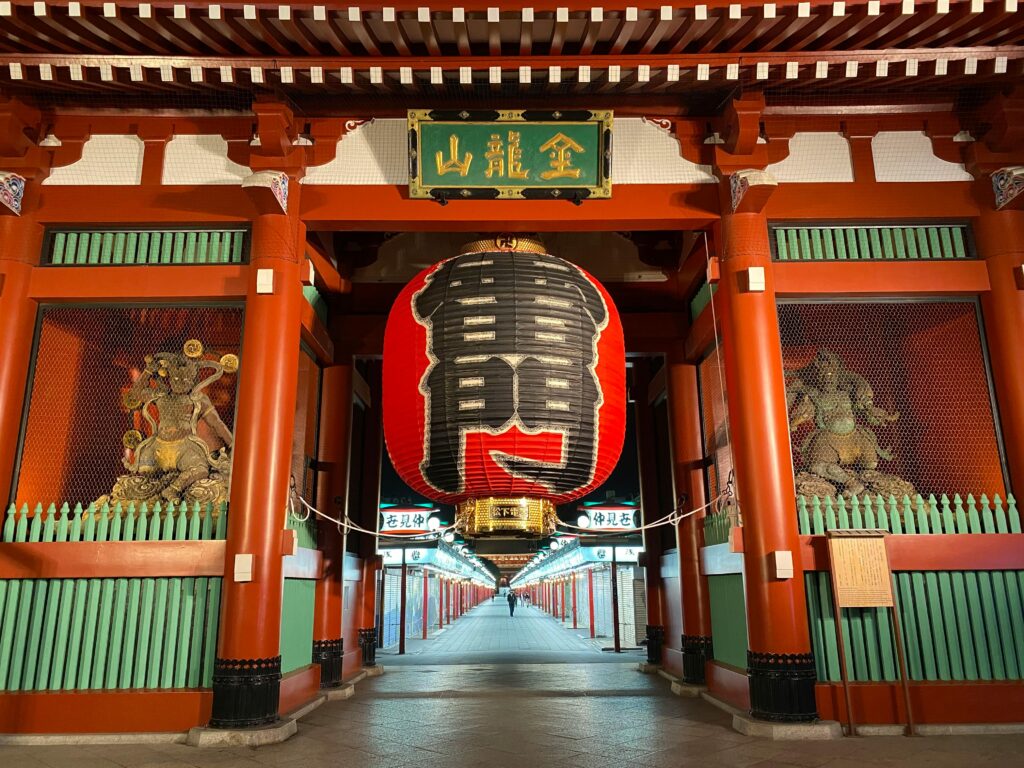
Kick off your Tokyo trip the right way by heading to Asakusa, the city’s most atmospheric old-school neighbourhood. Start at Senso-ji, Tokyo’s oldest temple — walk through the iconic Kaminari-mon (Thunder Gate), work your way up the bustling Nakamise-dori shopping street lined with traditional snacks and souvenirs, and give yourself time to just wander the back lanes around the temple complex. It’s one of the few parts of Tokyo that genuinely feels like it belongs to another era.
From there, cross the river to the Tokyo Skytree. At 634 metres it’s the tallest structure in Japan, and the view from the observation deck gives you a proper sense of just how enormous this city actually is. On a clear day you can see all the way to Mount Fuji.
– For the full breakdown of tickets, floors and must-sees at Tokyo Skytree:
Afternoon — Shinjuku (3 hours)
Head west to Shinjuku — home to the world’s busiest train station and one of Tokyo’s most electric neighbourhoods. Look up as you exit and you’ll spot the giant Godzilla head peering over the Toho Cinema building, which sets the tone perfectly. Wander through the neon-lit streets of Kabukicho, Tokyo’s entertainment district, as the evening kicks in.
When you’re ready for a drink, duck into Golden Gai — a maze of impossibly tiny themed bars tucked into a couple of narrow laneways. Each one holds maybe eight people, everyone has its own personality, and the whole thing feels like it shouldn’t exist in the middle of a modern megacity. It absolutely does, and it’s brilliant.
– For a complete breakdown of What to Do and Where to Eat in Shinjuku!
Day 2: Culture, Fashion, and the Famous Scramble
Morning — Meiji Jingu & Harajuku (3–4 hours)
Start the morning with something completely different — a walk through the towering forest of Meiji Jingu Shrine. It’s a genuine oasis of calm right in the middle of the city, and the contrast with everything around it is striking. Give yourself time to walk the full approach path and take it in properly before the day gets busy.
From there, head straight into the organised chaos of Takeshita Street in Harajuku — ground zero for Tokyo’s kawaii fashion culture. Colourful, loud, and completely over the top in the best possible way. Crepe in hand is the standard move here.
Pro tip: Instead of jumping on the train to Shibuya, walk down Cat Street — a relaxed pedestrian lane with excellent independent shops, cafes, and street art that runs all the way from Harajuku to Shibuya. It takes about 15 minutes, it’s far more interesting than the train, and you’ll discover spots that don’t appear in any guidebook
Afternoon — Shibuya Crossing & Shibuya Sky (2 hours)
No Tokyo trip is complete without crossing the Shibuya Scramble — one of those experiences that somehow exceeds expectations despite having seen it a thousand times in photos. It’s organised madness, and walking through the middle of it with hundreds of people streaming in every direction is genuinely exhilarating.
For the aerial view, head up to SHIBUYA SKY — an outdoor observation deck that looks directly down onto the crossing from above. Watching the whole spectacle from up there puts the scale of it in perspective in a way that’s hard to describe. Book ahead if you can, particularly for sunset.
– For a complete breakdown of What to Do and Where to Eat in Shibuya!
Day 3: Choose Your Own Adventure
Tokyo is vast, and by day three you’ll have a feel for what’s captured your interest most. Here are the best options depending on what you’re after:
TeamLab Planets (Toyosu) or TeamLab Borderless (Azabudai) — Immersive digital art on a scale that’s hard to believe until you’re inside it. Allow 2–3 hours and book well in advance — these sell out regularly and there’s no walk-in option.
💻Akihabara💻
— The holy land for anime, manga, retro gaming, and electronics. Even if you’re not deeply into any of those things, the sheer spectacle of the place is worth a couple of hours.
Tsukiji Outer Market — Get there early (the stalls are busiest from around 6am) for the freshest sushi breakfast of your life, straight from the source. One of those experiences that sounds like a cliché until you actually do it.
🎈Tokyo Disneyland or DisneySea🎈
— If you’re a Disney fan, set aside a full day. DisneySea in particular is widely regarded as one of the best theme parks in the world, and it’s genuinely unlike any Disney park you’ve been to before.
🛍️Shopping🛍️
— Ginza for luxury brands and serious department stores, Shibuya and Shinjuku for everything else. If you’ve been holding off on buying things earlier in your trip, today’s the day.
☕️Cafe Hopping at Ebisu and Daikanyama☕️
— Some of the best coffee and most interesting independent cafes in Tokyo are tucked into the backstreets of these two neighbourhoods. Perfect for a slower, more relaxed final day if your feet need a rest.
🍜Ramen deep dive🍜
— Use the day to tick off a few spots from the Ramen Guide series. There are worse ways to spend your last full day in the city.
Two Local Tips Worth Knowing
- Save Tokyo for the end of your Japan trip. If you’re doing two weeks around the country — Kyoto, Osaka, Hiroshima, wherever — do yourself a massive favour and finish in Tokyo rather than starting there. Tokyo is shopping heaven, and you do not want to be hauling extra bags full of clothes and souvenirs all the way across Japan. Buy everything at the end and take it straight to the airport.
Sightsee on weekdays if you can - . Weekends in Tokyo are a different beast — locals and tourists all out at once, queues significantly longer, and popular spots noticeably more packed. If your schedule has any flexibility, keep your big sightseeing days for Monday through Friday and you’ll have a noticeably more relaxed experience across the board.
Pingback: Tokyo Skytree: Everything You Need to Know Before You Go - Local Secrets for Aussie Travellers