1. Public transport is brilliant — but it can be a bit overwhelming at first
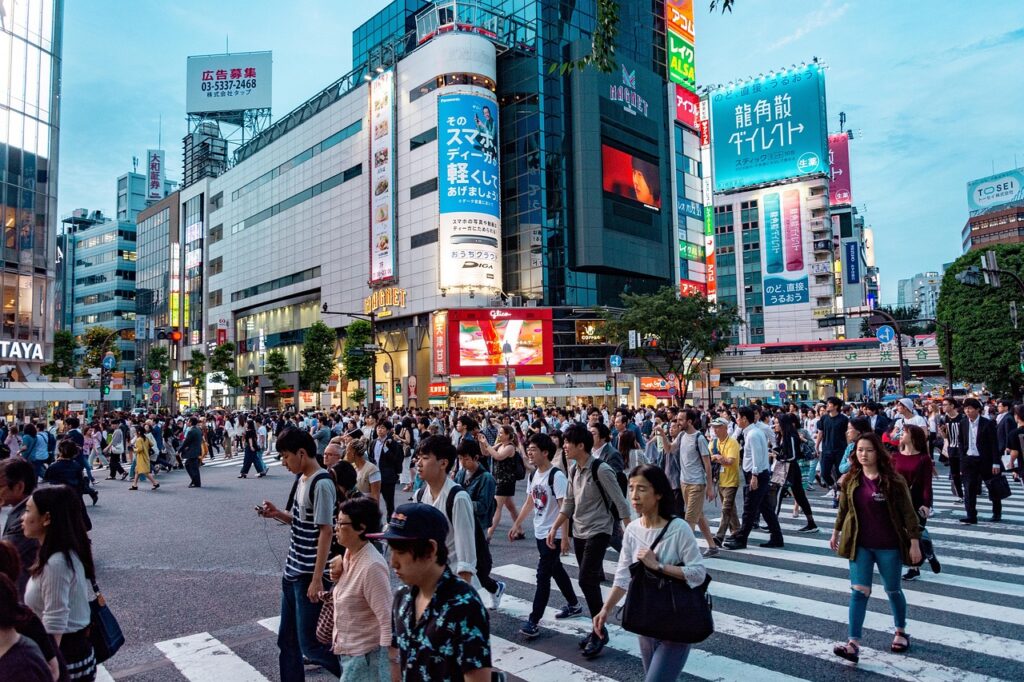
The train system in tokyo is incredibly efficient, spotless and always runs like clockwork. However, major hubs like Shinjuku and Shibuya can be a lot to take in. Shinjuku Station is absolutely massive, with tracks heading in every direction. Even though I was born and raised in Tokyo, I still manage to get myself completely lost there!
To give you an idea: Shinjuku Station is like Sydney Central Station on steroids- and probably 10 times busier.
💡Pro Tip: Download “Japan Transit Planner” before you leave the airport. It’s the go-to app for checking routes, travel times and fares. It’ll be your best friend when navigating the Japanese rail network.
2. Get a Suica or Pasmo Card on Your First Day
A Suica or Pasmo card in Tokyo works exactly like Opal card in NSW, Go Card in QLD and myki card in VIC. So now you get how essential it is for getting around. Honestly, when was the last time you even saw a paper ticket?
You can tap on and off trains, buses, and even use it at convenience stores and vending machines. Sort it out straight away and you’ll be cruising from day one.
Most major stations have tickets machines with English language options – they’ll walk you through buying the card and loading credit.
💡Pro Tip: If you’ve got an iPhone or Apple Watch, you can also add Suica/PASMO to Apple Wallet. It’s much easier than carrying a physical card and you can top it up instantly using your phone!
3. Cash is still King (sometimes)
Australia is almost entirely cashless – we’re used to tap-and-go for everything from a flat white to a pub feed. While Tokyo is catching up fast, it’s not quite there yet.
Many local restaurant, traditional shops and smaller bars still prefer physical yen. One classic example? Ramen shops. Most of them use a vending machine at the entrance where you buy your ticket before sitting down – and many of these machines are strictly cash-only.
💡Pro Tip: Keep around ¥10,000–¥20,000 in your wallet (roughly $100-$200AUD). Don’t stress about carrying it; Japan is incredibly safe and carrying cash is perfectly normal and expected there.
💡Quick Tip for your Wallet; Get a Coin Purse!💡
Back in Australia, we rarely touch coins. But in Japan, you’ll quickly find your wallet exploding with coins. Most Japanese locals carry a small coin purse (kozeni-ire) to keep things organized. I highly recommend picking up a cheap one at a 100-yen shop like Daiso when you arrive, or grab a sturdy one on Amazon before you fly. It makes paying at those cash-only ramen machines so much faster.
4. English is Limited – But People are Helpful
English isn’t as widely spoken as you might expect, especially once you step off the main tourist trail. However, people lack in English, they make up for in pure kindness.
Even if there’s a language barrier, most locals will go above and beyond to help you. A bit of pointing, some frantic Google translate action and a few polite smiles go a long way. It’s actually pretty heartwarming how much effort people put in to assist a lost traveller.
💡Pro Tip: Keep in mind that people in Tokyo are offen flat out and always on the move — so don’t take it personally if someone brushes past you- it’s just the city’s frantic pace, not rudeness. If you need help, try to step out of the main flow of foot traffic before asking. Most people will happily stop for a chat if they aren’t in a mad rush!
5. Hotel Rooms Are Smaller Than You’ll Expect
Even if the place looks spacious in the photos online, don’t be surprised if your room feels a bit “cosy” once you arrive. Space is at a premium in Tokyo and hotel rooms are designed to be functional rather than massive.
💡Pro Tip: Pack light! Or better yet, bring an empty suitcase inside your main one. — Tokyo will turn you into a shopaholic faster than you can say “konbini snack run.”
Tokyo isn’t just a destination – it’s an experience waiting to surprise you at every corner.
Tanoshinde! (Enjoy Tokyo!)