When a mate asks me “where’s the best ramen in Tokyo?”, my answer is always another question: “What kind of ramen do you actually like?”
Because saying “I like Ramen” is a bit like saying “I like music” — sure, but are we talking Midnight Oil or Mozart? There are wildly different styles, and the “best” bowl entirely depends on what you’re after.
And here’s something worth knowing before you start planning: most ramen shops in Tokyo specialise in one specific style and one style only. Unlike back home where a Japanese restaurant might serve you everything from sushi to Udon, a dedicated ramen shop has usually spent years — sometimes decades — perfecting a single bowl. That’s what makes them so good, but it also means there’s no point rocking up to a legendary tonkotsu joint if what you’re really after is a light Shio broth. Do a quick Google before you queue — check the style, read a review or two, and make sure it matches what you’re actually in the mood for. A little bit of homework goes a long way.
Here’s a breakdown of the big four to help you figure out your order before you even walk through the door.
Tonkotsu Ramen — The Creamy King
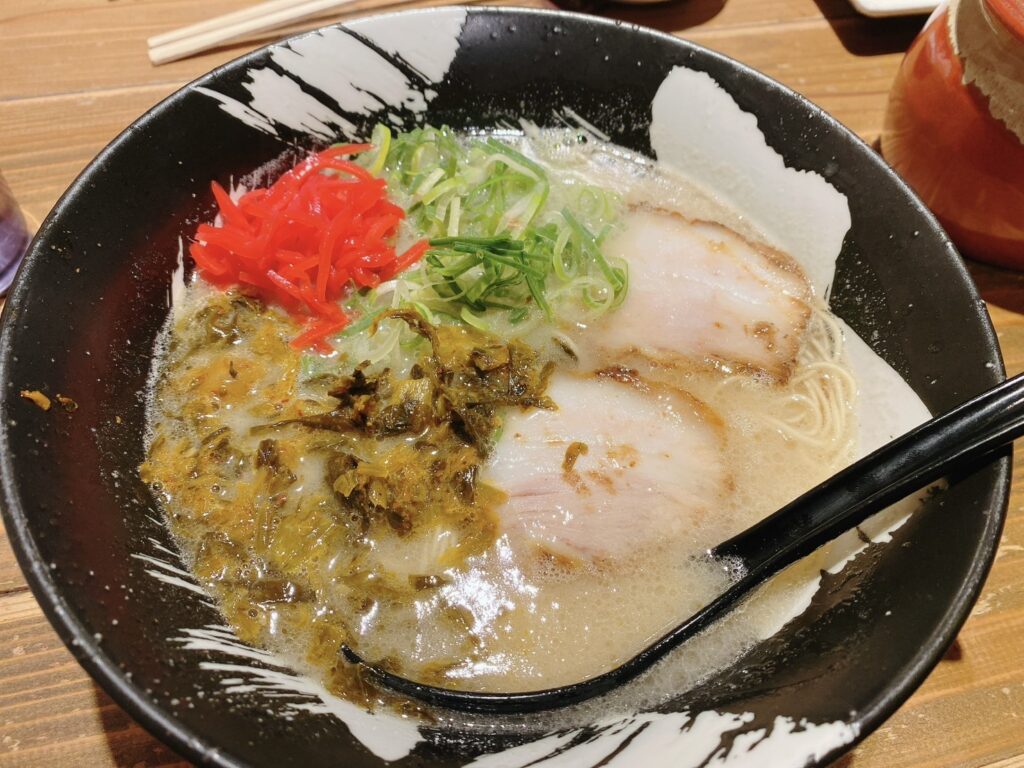
If ramen had a heavyweight champion, this is it. Tonkotsu broth is made by boiling pork bones for hours — sometimes up to 18 hours — until the collagen breaks down completely and the liquid turns thick, creamy, and an opaque milky white. It’s rich, it’s porky, and it absolutely coats your mouth in the best possible way.
- Best for: Anyone who loves bold, heavy flavours — if you’re the type who goes back for seconds at a BBQ or orders the pasta with the richest sauce on the menu, tonkotsu is probably your style
- Where to try it: Ichiran is the one most Aussies gravitate toward first — you order via a vending machine, sit in a solo booth, and customise everything from broth richness to noodle firmness. It’s a genuine experience. Ippudo is the other big name, slightly more social, and consistently excellent
- Typically comes with: Chashu pork belly, a soft-boiled marinated egg (ajitsuke tamago), nori, and green onions — though you can usually add extras at the table
– Check out My 5 Best Tonkotsu Ramen in Tokyo here!
Shoyu Ramen — The Tokyo Classic
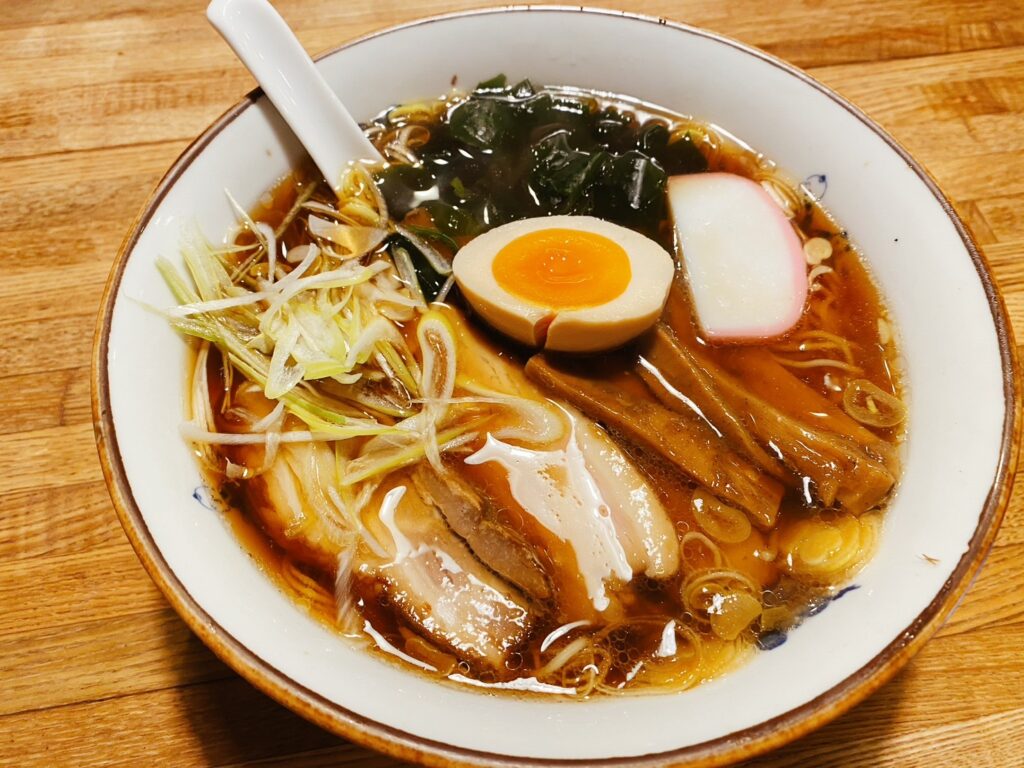
This is the OG. Shoyu ramen has been around since the early 1900s and is considered the original Tokyo-style bowl. The broth is clear to light brown, soy sauce-based, and beautifully savoury without being heavy. It’s the kind of bowl that tastes like it was made by someone’s grandmother — deeply comforting, nothing flashy, just exactly right.
- Best for: When you want something satisfying but not so rich that you need a nap afterwards. It’s also a great starting point if you’re new to ramen and not sure where to begin
- Where to try it: Fuunji in Shinjuku is a local favourite, and Afuri does a brilliant yuzu shoyu variation that’s lighter and citrusy — particularly good if you’re visiting in warmer weather
- Typically comes with: Chicken or pork chashu, menma (bamboo shoots), nori, and a classic marinated egg
– Check out My 5 Best Shoyu Ramen in Tokyo here!
Miso Ramen — The Umami Bomb
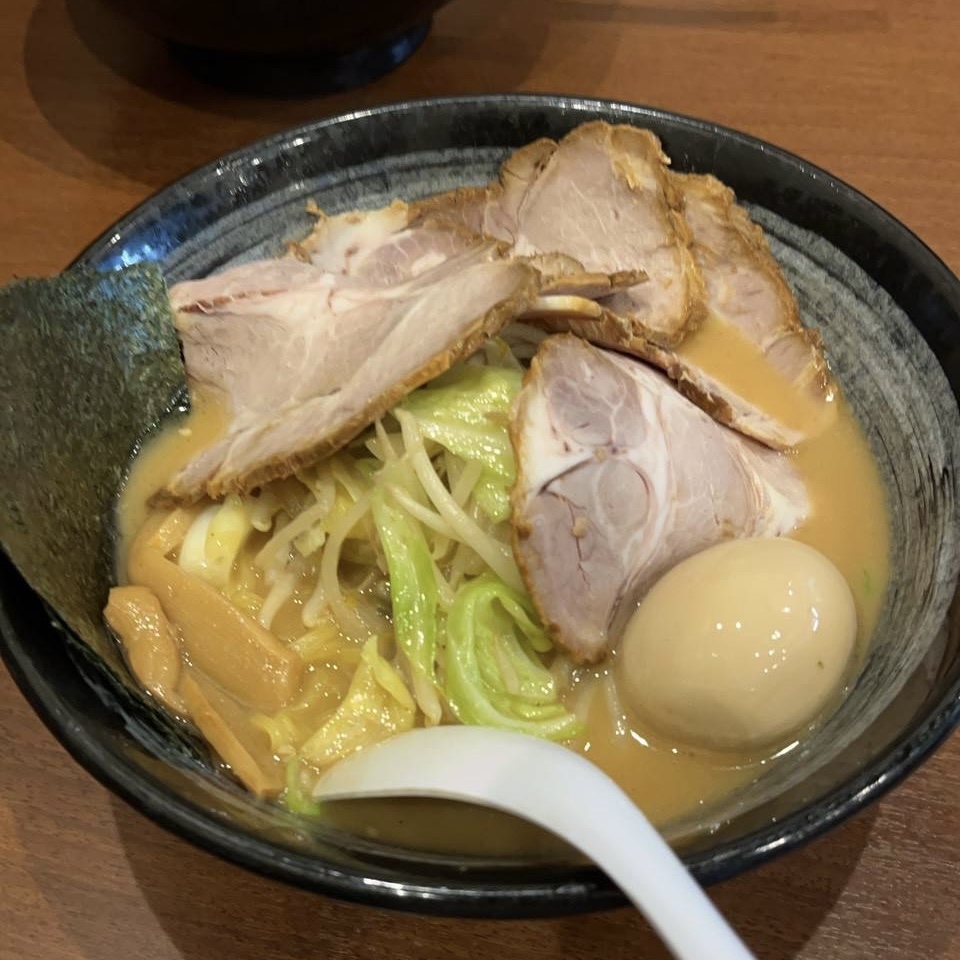
Miso ramen comes from Hokkaido up in the cold north of Japan, and it was designed to warm people up in seriously cold weather — which makes it a great choice if you’re visiting Tokyo in winter. The broth is thick, nutty, and deeply savoury, built on a fermented soybean paste base that gives it a complexity that’s hard to describe until you try it.
- Best for: Chilly days, big appetites, and anyone who loves bold, earthy flavours. It’s genuinely like a warm hug in a bowl
- Where to try it: Kikanbo in Kanda is famous for their spicy miso variation — you choose your spice and numbing pepper levels, and it’s an absolute experience. For a more classic version, Yamokiya is well worth seeking out
- Typically comes with: Corn, a slab of butter that melts into the broth, bean sprouts, and ground pork — all of which make it the most hearty and filling of the four styles
– Check out My 5 Best Miso Ramen in Tokyo Here!
Shio Ramen — The Clean & Delicate One
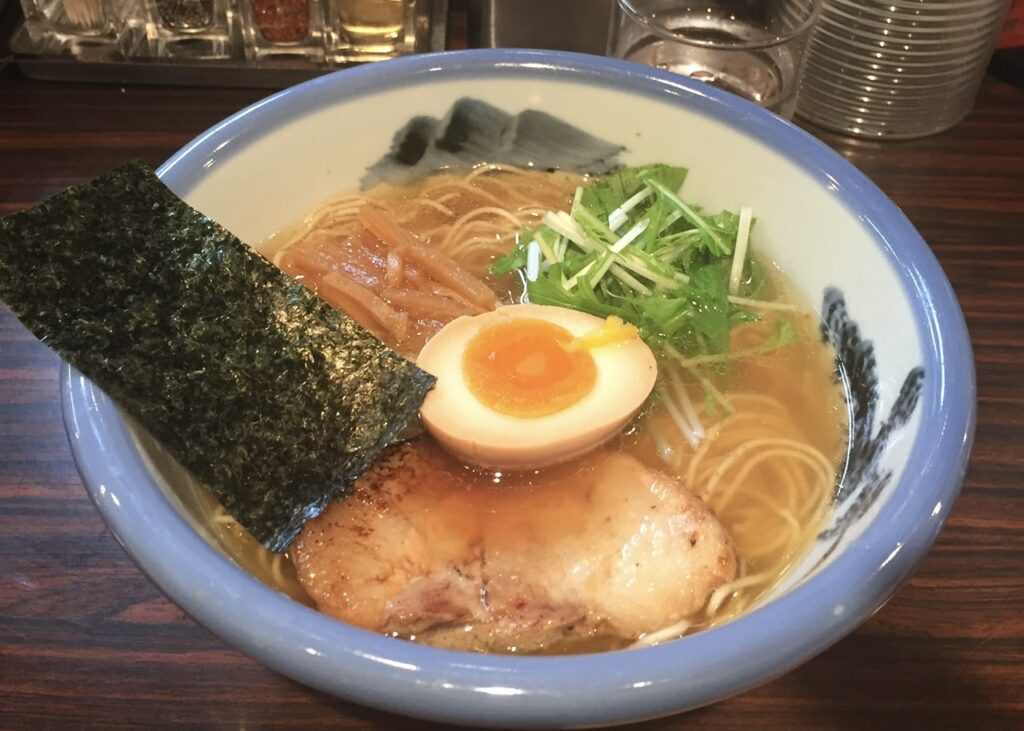
Shio means “salt,” and this is the lightest, most delicate style of the lot. The broth is typically clear or very pale, and because there’s no heavy miso or soy sauce to mask anything, the quality of the stock really has to shine. Done well, it’s quietly extraordinary.
- Best for: People who prefer clean, nuanced flavours over bold and heavy — if you’re the type who orders grilled fish over a rich stew, shio is probably your style. Also a brilliant choice in summer when a heavy tonkotsu feels like too much
- Where to try it: Hototogisu in Shinjuku does an exceptional shio with a clear chicken and seafood broth that’s genuinely one of the best bowls in the city. Mensho Tokyo is another standout
- Typically comes with: Delicate chicken or seafood-based toppings, light chashu, and minimal garnishes that let the broth do the talking
– Check out my 5 Best Shio Ramen in Tokyo Here!
Two More Worth Knowing About
Tsukemen (Dipping Ramen)
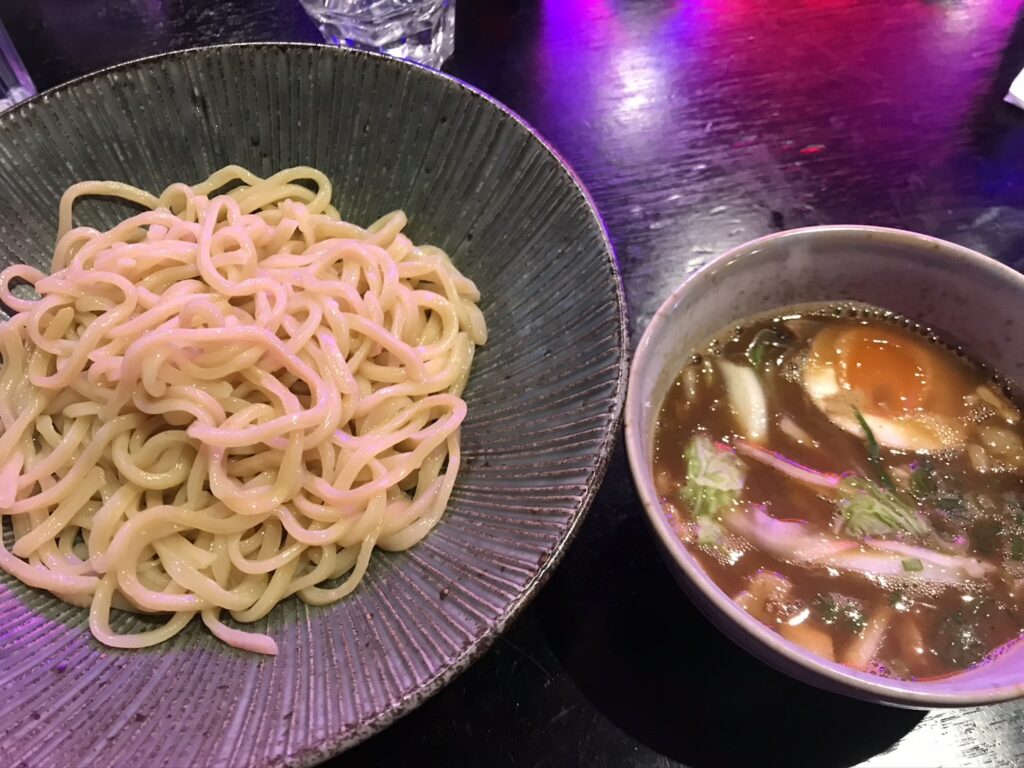
Here’s where things get interesting. With tsukemen, the noodles and the broth come in completely separate bowls. You dip the cold (or room temperature) noodles into a small bowl of hot, intensely concentrated soup — the ratio of flavour to noodle is completely different to regular ramen, and it’s a revelation. Fuunji in Shinjuku is widely considered one of the best tsukemen spots in Tokyo, and the queue out the door most lunchtimes tells you everything you need to know.
Abura Soba (Soupless Ramen)
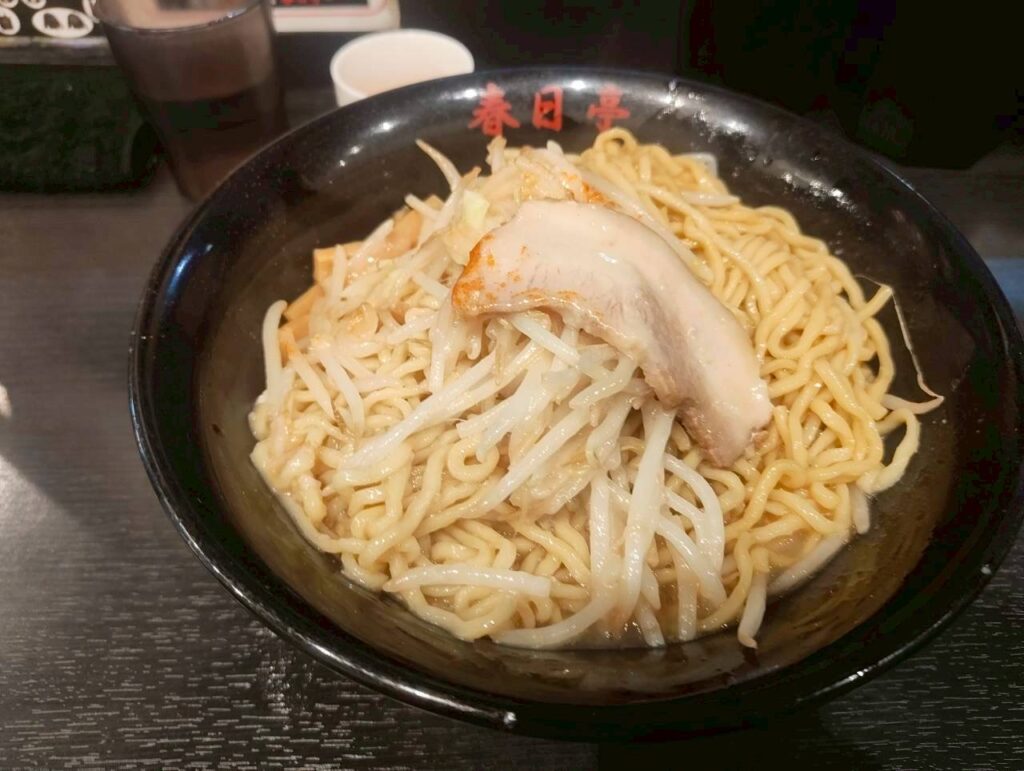
No broth at all — just thick noodles tossed in a seasoned oil, soy tare, and topped with whatever the shop is known for. You mix the whole thing together before eating, and the result is rich, chewy, and deeply addictive in a way that’s hard to explain. It sounds like it shouldn’t work as well as it does. Bassanova in Shimokitazawa has a cult following for their version, and once you try it you’ll understand why.
Local Tips:
Don’t stress about making the “wrong” choice — honestly, the floor for ramen quality in Tokyo is so high that even a random bowl from a place you’ve stumbled into off the street will probably be excellent. But knowing your style before you go means you can seek out the spots that do it best, and that’s when a good bowl becomes a genuinely memorable one.
Tanoshinde! (Enjoy Tokyo)