How to Catch Trains in Tokyo Without Losing Your Mind
Tokyo’s train network is something else — it’s punctual to the second, spotlessly clean, and runs like an absolute dream. But rock up for the first time and stare at that spaghetti-mess of coloured lines on the map, and it can feel a bit overwhelming. Don’t stress. Once you’ve got your head around a few basics, you’ll be zipping around the city like you’ve lived here for years.
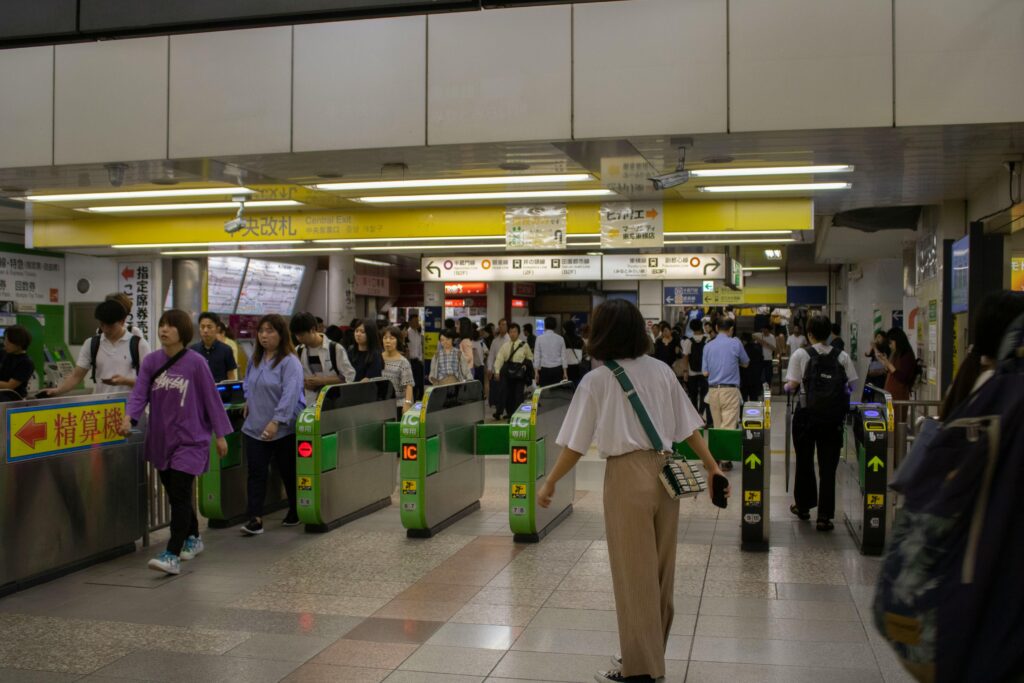
1. Skip the Ticket Machines — Get a Digital Suica
Seriously, don’t bother faffing around with paper tickets. Physical Suica cards have been hard to get your hands on lately, so the easiest move is to set one up straight on your phone before you even leave the airport.
Here’s how:
1. Open your Apple Wallet app
2. Tap the “+” icon → “Transit Card”
3. Search for “Suica” or “Pasmo”
4. Load it up with a few thousand yen using your linked credit card — done!
Aussie tip: You don’t even need to unlock your phone. Just tap the top of your iPhone or Apple Watch on the gate reader and you’re through — Express Mode is an absolute ripper for this. It works a treat on Apple Watch too, so you can leave your phone in your bag entirely.
2. Google Maps Is Your Best Mate
Chuck those confusing wall maps in the bin — Google Maps in Japan is ridiculously good. A few things worth knowing:
Platform number: Google Maps tells you exactly which platform to head to, so no more guessing or running up the wrong stairs.
Best carriage: It’ll often suggest which car to board (e.g., “Car 4”) so you’re already positioned perfectly for your next transfer. A small thing that saves a surprising amount of time.
Exit number: Tokyo stations can be absolutely enormous — some have dozens of exits. Always check Google Maps for the specific exit before you head upstairs (e.g., “Hachiko Exit” or “West Exit”), or you’ll find yourself popping up three blocks from where you need to be.
3. Train Etiquette — Don’t Be That Tourist
The locals are pretty relaxed about tourists making the odd mistake, but these three things will help you blend right in:
Keep it quiet: Every carriage in Japan is basically a quiet carriage. No phone calls, ever — and keep your voice down even when chatting with your travel mates. It’s just the done thing.
Mind your backpack: If it’s packed out, swing your backpack to your front or pop it on the overhead rack. Leaving a big pack on your back while standing is a sure-fire way to cop some polite (but very pointed) stares.
Queue properly: Look for the markings on the platform floor — people line up in neat rows and wait for passengers to get off first. Just follow the locals’ lead and you’ll be sweet.
4. Which Line Do I Actually Need?
It’s simpler than it looks once you know the key players:
JR Yamanote Line (the green one): Think of this as the loop that ties the whole city together. Shinjuku, Shibuya, Harajuku, Akihabara, Tokyo Station — it hits them all. This is your bread and butter.
Subway lines (marked with letters like G, M, H): Once you want to get deeper into the city or into residential neighbourhoods, the subways are your go-to. The good news? Your Suica works on all of them, so you don’t need to think about it — just tap and go.
Local Tip: Women-Only Carriages — Worth Knowing About
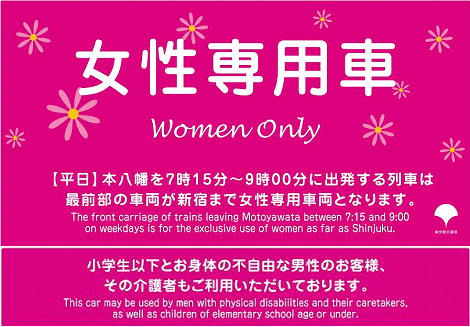
In Australia, we have “Quiet Carriages”, but in Japan, every carriage is a quiet carriage. And here’s one thing that might surprise you: Japan also has Women-Only cars, especially during rush hour.
Look for the pink signage saying Woman Only on the platform and on the carriage windows. These cars are reserved for women, children, and people with disabilities during busy peak periods — typically morning and evening rush. If you’re a bloke, just make sure you’re not accidentally hopping into one during those times. Easy enough to avoid once you know to look for the signs.
Pingback: Getting from Narita Airport to Tokyo: What Aussies Need to Know - Local Secrets for Aussie Travellers
luk.88, yeah I’ve seen that one around! It just takes you to the main site so why not pop over and see what’s going down. You may be pleasantly surprised. Browse it at luk.88